 By
By 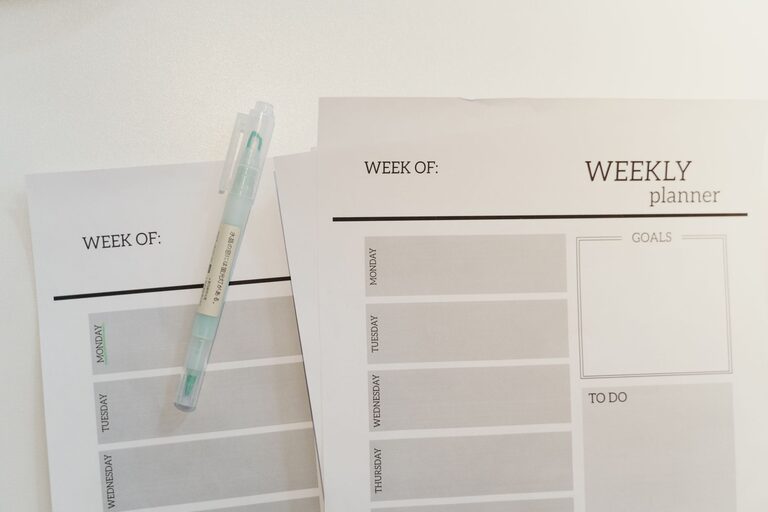
Setting realistic weekly goals is a powerful way to boost your productivity and maintain motivation throughout the week. Whether you’re working on personal projects, professional tasks, or self-improvement, having clear and manageable goals can help you stay focused and achieve meaningful progress. This guide will walk you through how to set weekly goals that are both practical and inspiring.
Why Set Weekly Goals?
Weekly goals serve as a bridge between your long-term objectives and daily activities. They help you:
– Break down large tasks into manageable steps
– Track your progress regularly
– Stay motivated with frequent wins
– Adjust plans based on what’s working or not
By focusing on smaller, attainable goals, you reduce the overwhelm that often comes with big projects and create a clear system for success.
Step 1: Reflect on Your Priorities
Before you set any goals, take a moment to reflect on what matters most. Ask yourself:
– What are my main priorities this week?
– Which tasks or projects will bring me closer to my bigger goals?
– Are there any deadlines or appointments I need to consider?
Understanding your priorities ensures that your weekly goals align with your overall vision and responsibilities.
Step 2: Make Your Goals Specific and Clear
Vague goals like “exercise more” or “work on project” can be hard to measure and easy to procrastinate on. Instead, make your goals specific and concrete.
For example:
– Instead of “exercise more,” try “go for a 30-minute walk three times this week.”
– Instead of “work on project,” try “complete the first draft of the report by Friday.”
Being specific helps you understand exactly what you need to do and when.
Step 3: Be Realistic About What You Can Achieve
It’s important to set goals that challenge you without setting you up for failure. To keep your goals realistic:
– Consider your available time and energy
– Factor in other commitments and unexpected tasks
– Avoid setting too many goals at once; focus on a manageable number
Aim for a balance between stretching yourself and staying grounded.
Step 4: Break Down Big Goals into Smaller Tasks
If you have a large goal, break it down into smaller, actionable steps you can complete throughout the week. For example:
Goal: Launch a blog
Weekly goals:
– Choose a blog name and domain
– Design the blog layout
– Write and publish the first post
Smaller tasks feel less intimidating and give you clear milestones.
Step 5: Write Down Your Goals and Review Them
Writing your goals makes them more tangible. Use a planner, digital app, or a simple notebook to list your goals for the week. This practice:
– Keeps your goals visible
– Helps you track progress
– Facilitates review and adjustment
Set aside time at the start or end of each week to review what you planned and accomplished.
Step 6: Schedule Time to Work on Your Goals
Goals are more likely to be achieved if you schedule dedicated time for them. Use your calendar to block out periods for your weekly tasks. This can help you:
– Avoid last-minute rushes
– Build a routine
– Respect your own priorities
Try to protect these time blocks from distractions and non-urgent tasks.
Step 7: Stay Flexible and Adjust When Needed
Sometimes life throws curveballs — unexpected events or changes that affect your schedule and priorities. It’s okay to adjust your goals as needed:
– If a goal feels unrealistic, break it down further or extend the timeline
– Shift focus if unexpected priorities come up
– Celebrate small wins, even if you don’t complete every goal
Flexibility keeps you motivated and prevents discouragement.
Step 8: Reflect and Learn from Your Progress
At the end of the week, take a few minutes to reflect:
– Which goals did you achieve?
– What helped you succeed?
– What challenges did you face?
– How can you improve next week?
Reflection helps you learn about your work habits and refine your goal-setting process over time.
Tips for Success
– Start with 3–5 weekly goals to keep things manageable
– Use the SMART goal framework: Specific, Measurable, Achievable, Relevant, Time-bound
– Prioritize goals that have the biggest impact on your overall objectives
– Share your goals with a friend or accountability partner for extra support
– Celebrate your accomplishments to stay motivated
—
By setting realistic weekly goals, you can create a clear path toward your larger dreams without feeling overwhelmed. Start small, stay consistent, and watch your progress grow week by week.